

PLANET RESPONSIBILITY
Creating a Lasting Impact Beyond the Table
Small actions. Meaningful change.
We're committed to reducing our environmental footprint through thoughtful practices that conserve resources, minimize waste, and support a healthier planet. From energy efficiency and recycling initiatives to composting and sustainable operations, we're continually working toward a more responsible future.
OUR PLANET PROMISE
Better Operations Create a Lighter Footprint
Sustainability is built into how we think about our everyday operations. From the resources we use to the waste we generate, we continually look for practical ways to reduce our impact while maintaining the quality and hospitality our clients and guests expect. That means paying closer attention to how we use energy, water, materials, and everyday supplies while finding more efficient ways to operate across our kitchens, cafés, offices, and events.
Our approach is centered on progress—making smarter choices, improving our processes, and adopting better solutions as they become available. By building sustainability into everyday decisions and continuously evaluating where we can improve, we can reduce unnecessary waste, conserve valuable resources, and create more responsible hospitality experiences for the future.

WASTE REDUCTION
Keeping More Out of Landfills
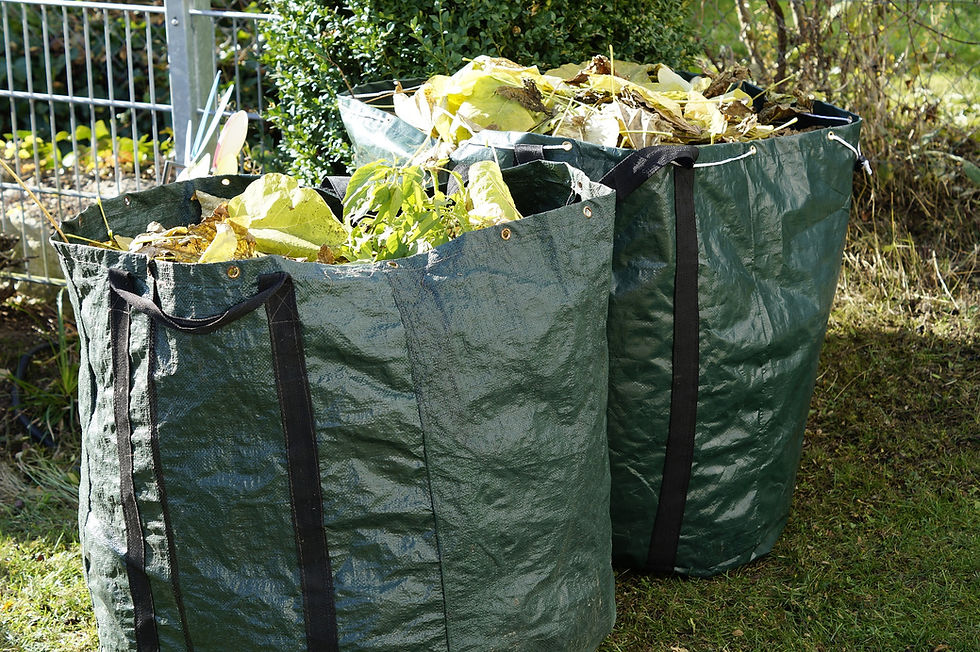
We look for opportunities to prevent waste at the source, recover usable materials, and divert more of what remains from landfills.

RESOURCE CONSERVATION
Making More Thoughtful Use of Resources
From water and energy to paper and everyday materials, we continually evaluate how our operations can use resources more efficiently.
.jpg)
CIRCULAR SOLUTIONS
Finding New Value in What We Use
Through composting, recycling, reuse, and recovery programs, we look for ways to give materials a purpose beyond their first use.

RESPONSIBLE OPERATIONS
Building Better Practices Into Every Day
Sustainability becomes meaningful when it is part of the routine. We work to integrate environmentally responsible practices throughout our kitchens, offices, events, and dining operations.
TURNING WASTE INTO VALUE
What Leaves Our Kitchens Still Matters
Reducing waste is about more than what goes into the trash. Through composting, recycling, material recovery, and responsible partnerships, we look for opportunities to keep valuable resources in use and out of landfills. By rethinking what happens to food scraps, cooking oil, packaging, and other materials after use, we can extend their value and reduce unnecessary waste across our operations.
That means looking at the full lifecycle of the materials we use—from purchasing and preparation to recovery and disposal—and identifying practical ways to make each step more efficient. Whether food scraps become compost, used cooking oil is repurposed, or cardboard reenters the recycling stream, these everyday actions help create a more circular approach to hospitality and move us toward a more responsible future.
FOOD SCRAPS → COMPOST
Giving Food Waste a More Useful Second Life
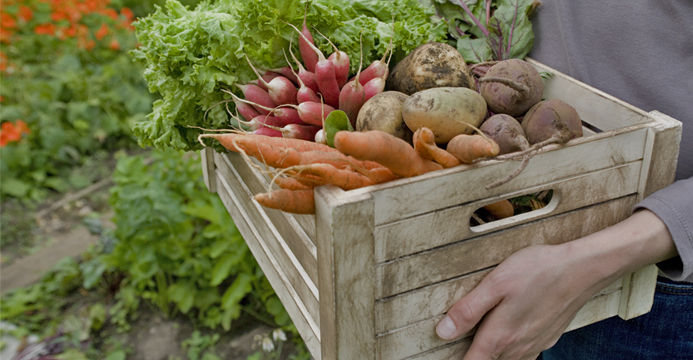
Food scraps from our operations can be diverted from landfills and transformed into nutrient-rich compost through commercial composting partnerships.
COOKING OIL → BIOFUEL
Turning Used Oil Into Something Useful
Used cooking oil can continue serving a purpose after it leaves our kitchens through recovery programs that convert it into alternative fuels and other usable products.
CARDBOARD → RECYCLED MATERIAL
Keeping Packaging On The Top Of Our Minds
Cardboard recovery and recycling help reduce our landfill waste while returning valuable material back into the recycling stream.
OUR CIRCULAR APPROACH
Rethinking What We Use—and What Happens Next
Reducing environmental impact starts long before something reaches the waste stream. We consider how materials are purchased, used, reused, recovered, and ultimately disposed of across our operations.
01
Reduce at the Start
Look for opportunities to prevent unnecessary waste before it enters our operations.
02
Reuse when possible
Extend the life of materials and choose reusable solutions when they make operational sense.
03
divert from landfills
Use composting, recycling, and recovery programs to keep valuable materials in circulation.
04
measure & improve
Evaluate our practices, identifying opportunities, and adopting better solutions over time.
EVERYDAY CONSERVATION
Small Changes Add Up
Environmental responsibility reaches beyond the waste bin. We also look for practical ways to reduce consumption, extend the life of materials, and make everyday operations more efficient. From energy and water use to paper, packaging, and reusable products, small operational choices can create meaningful impact when they are applied consistently across our kitchens, cafés, offices, and events.
By building conservation into everyday routines, we can reduce unnecessary resource use without compromising quality, safety, or the guest experience. These ongoing improvements help us operate more efficiently, make better use of the materials and resources already available to us, and continue moving toward a more responsible approach to hospitality.

REUSABLE SOLUTIONS
Choosing Reuse Over Single-Use
Where practical, we look for reusable alternatives that help reduce unnecessary disposable products across our operations.
WATER & ENERGY
Using Resources More Efficiently
We continually look for operational opportunities to reduce unnecessary water and energy use while maintaining safe, efficient, high-quality foodservice environments.
DIGITAL & E-WASTE
Reducing Waste Beyond the Kitchen
From digital workflows to responsible electronics recycling, sustainability extends into our offices and support operations as well.
FROM KITCHEN TO COMPOST
Closing the Loop on Food Waste
The life of an ingredient doesn't have to end when a meal is served. Thoughtful purchasing and preparation help reduce waste first, while composting provides another path for unavoidable food scraps—helping return organic material to the soil instead of sending it to landfill.

WORKING TOGETHER
Progress Takes Partnership
Meaningful environmental progress takes collaboration. We work with organizations and service partners that help us compost, recycle, recover resources, and continually improve the sustainability of our operations.




OUR PLANET IN ACTION
Progress You Can Measure
Environmental responsibility becomes meaningful when everyday actions create measurable results. From composting and recycling to material recovery and waste prevention, we continue looking for practical ways to reduce our footprint across Food For Thought operations.
55,000 LBS
Food Scraps Diverted to Compost Annually
1,344+ GAL
Used Cooking Oil Recovered Annually
45 TONS
Cardboard Recycled Annually
35,000+
Single-Use Cups Avoided Annually

When Experiences Matter.
Food For Thought specializes in Event Production, High-Quality Catering and Workspace Solutions. Food For Thought specializes in Event Production, High-Quality Catering and Workspace Solutions. Food For Thought specializes in Event Production, High-Quality Catering and Workspace Solutions
